Focused Litigation Issue Brief (Reference Example)
This is a complete example of a Focused Litigation Issue Brief, prepared using the same structured framework applied in client engagements.
It is published to demonstrate analytical structure, treatment of uncertainty, and professional framing. It is not legal advice and does not relate to any specific client matter.
[Download Full Version as PDF] – 2MB
[Download Summary Version as PDF] – 2MB
Executive Take (Summary Version)
Glp-1 Agonists And Gastroparesis. Structured Causation Review
Primary Research Jurisdiction: United States of America
Research current as of: March 1, 2026
Why this matters
GLP-1 receptor agonists reliably slow gastric emptying as part of their intended pharmacologic effect. The litigation question is narrower and harder: when does pharmacologic delay become a litigable injury (gastroparesis), and what evidence can credibly separate drug effect from background causes—especially diabetes-related gastric dysfunction and nonspecific GI symptoms? In practice, case viability and expert posture often turn less on whether delayed emptying is plausible (it is) and more on whether the plaintiff’s record contains objective diagnostic proof and a defensible method for excluding alternative explanations.
What the evidence can reliably support
- Biological plausibility is strong. GLP-1 agonists slow gastric emptying through well-documented receptor-mediated effects on gastric motility and pyloric tone. This is central to the therapeutic mechanism, not incidental.
- Gastric slowing is class-consistent and dose-responsive (directionally). Across agents, measurable emptying delay occurs in controlled studies, with magnitude varying by dose, formulation, and patient factors.
- Baseline risk is high in the typical prescribing population. Many GLP-1 users (especially diabetics) carry independent risk of gastric motility dysfunction, creating unavoidable confounding in real-world attribution.
- Objective testing is the anchor for “gastroparesis” as a litigable diagnosis. Gastric emptying studies (typically 4-hour solid meal scintigraphy) remain the core tool for demonstrating delayed emptying in a way that can be independently evaluated.
Where claims are most vulnerable
- Diagnosis drift: side effects vs gastroparesis. Nausea, vomiting, early satiety, bloating, and abdominal pain overlap heavily with expected GLP-1 adverse effects and with other GI disorders; symptoms alone are often not etiologically specific.
- Confounding by indication and surveillance. GLP-1 users differ systematically from comparator patients (disease severity, comorbid meds, specialist exposure, testing intensity). Apparent associations can reflect detection and population selection, not drug-specific causation.
- Timing is not standardized. Symptom onset windows in reports range from days to months; “temporal proximity” is suggestive but not determinative, especially where subclinical dysfunction may predate prescribing.
- Dechallenge/recovery is ambiguous. Improvement after discontinuation can support causation, but gastroparesis symptoms fluctuate naturally and treatment changes often co-occur; lack of improvement can indicate irreversible dysfunction or misattribution.
- Epidemiology remains uneven. Case reports/series are inherently selection-biased; observational studies frequently rely on coding-based outcomes and imperfect exposure measurement. The denominator problem persists.
Quick screening checklist (what separates stronger vs weaker posture)
Stronger posture (more defensible)
- Objective diagnosis: documented gastric emptying study supporting delayed emptying (or equivalent objective motility test)
- Clear chronology: symptom onset and escalation mapped to initiation and/or dose escalation (not vague “months later”)
- Rule-out workup: credible exclusion of mechanical obstruction and other common mimics
- Alternative causes addressed: diabetes duration/control, baseline GI history, opioid/anticholinergic exposure, other motility-affecting meds, prior GI conditions
- Coherence across records: consistent symptom narrative and testing across treating providers (not a late, litigation-driven diagnosis)
- Meaningful dechallenge evidence: documented change after discontinuation with minimal confounding treatment changes (or at least explicitly accounted for)
Weaker posture (higher challenge exposure)
- No objective testing (symptoms only; diagnosis by impression or code)
- High confounding profile: long-standing diabetes, multiple motility-impacting meds, prior GI symptoms, or inconsistent glycemic control without careful analysis
- Late documentation: long gaps between onset and evaluation; diagnosis appears after litigation context develops
- Non-specific symptom record: repeated nausea/vomiting without motility testing or coherent workup
- Attribution leaps: “GLP-1 causes gastroparesis” asserted without addressing diabetic gastropathy and other plausible etiologies
Practical implication
General causation arguments are supported by mechanistic plausibility and consistent evidence of gastric emptying delay, but specific causation is where most cases rise or fall. In the typical plaintiff profile, multiple plausible explanations exist and current diagnostic tools often cannot discriminate etiology. Opinions that claim certainty while bypassing confounding, diagnostic rigor, and objective proof are structurally vulnerable. Conversely, cases anchored in objective gastric emptying evidence and disciplined exclusion of alternatives are materially more defensible.
What the rest of the brief provides
The rest of this brief maps the domain in detail and provides:
- A structured separation of what is established vs what is contested or weak in GLP-1–gastroparesis causation
- A litigation-calibrated taxonomy of methodological vulnerabilities (diagnostic uncertainty, exposure misclassification, confounding-by-indication, protopathic bias, surveillance bias, outcome definition variance, control group problems)
- Practical, record-driven guidance for evaluating general vs specific causation posture in real cases
- A Recent Developments section covering MDL consolidation, key diagnostic proof issues, and regulatory / practice updates relevant to evidentiary posture
Professional use: background research for professional evaluation; not legal advice or expert testimony.
Sample Document Context
This document is a publicly available example demonstrating the structure and analytical approach used in client engagements.
It is presented as a general reference sample. It is not tailored to any particular client, factual record, evidentiary posture, jurisdiction-specific standard, or litigation stage beyond what is stated in the brief itself.
Scope of This Sample
This sample reflects the Focused Litigation Issue Brief format. It addresses a single defined technical question and follows the seven-section structure shown in the table of contents (Purpose and Scope; Domain Overview; What Is Established; What Is Contested or Weak; Methodological Vulnerabilities; Analytical Implications, Recent Updates).
In client work, the question, scope boundaries, and emphasis are refined to match the specific matter. Expanded analytical layers (e.g., opposing argument construction, expert landscape mapping, regulatory history, literature audit, jury comprehension analysis, or cross-domain angles) are included only where commissioned and where they materially affect the litigation context.
This document is a publicly available sample brief produced by Ray Davey, independent research support for litigation attorneys. It is published at raydavey.com/samples to demonstrate the structure and analytical standard applied in client engagements.
This is not legal advice. It does not relate to any specific client matter and is not tailored to any particular factual record, jurisdiction, or litigation stage. It is intended to demonstrate method — not to substitute for professional legal judgment.
Section 1: Purpose and Scope
This brief addresses a single research question: What does the current scientific and clinical evidence establish regarding whether GLP-1 receptor agonist medications are capable of causing gastroparesis, for purposes of litigation in United States courts?
The professional context is active pharmaceutical litigation involving claims that GLP-1 receptor agonists cause gastroparesis. These medications include semaglutide (Ozempic, Wegovy), liraglutide (Victoza, Saxenda), and related drugs used for diabetes and weight management. Gastroparesis—a syndrome characterized by delayed gastric emptying in the absence of mechanical obstruction and capable of producing significant digestive complications—sits at the center of emerging product liability claims. Litigation counsel need reliable causation assessment for expert witness preparation, case evaluation, motion practice, and settlement negotiations.
Causation splits into two questions. General causation asks whether GLP-1 receptor agonists are capable of causing gastroparesis in humans. Specific causation asks whether sufficient evidence exists to support case-specific causal attributions. The analysis draws from clinical trial data, observational studies, mechanistic evidence, regulatory findings, and methodological limitations that affect causal inference.
Several boundaries define what this brief excludes. You will find no product liability doctrine, no expert witness admissibility standards under Federal Rule of Evidence 702 or Daubert, no litigation strategy considerations. The brief skips damages calculations, comparative fault frameworks, and settlement value assessments. Other potential adverse effects of GLP-1 agonists receive no attention. Regulatory compliance issues, marketing practices, and failure-to-warn claims appear only where regulatory findings directly illuminate causation evidence.
The scope deliberately narrows further. Detailed pharmacokinetic analysis of individual GLP-1 agonist compounds falls outside this review. So does comprehensive examination of diabetes and obesity treatment alternatives or clinical practice guidelines for gastroparesis management. Causation evidence for gastroparesis from other drug classes, medical devices, or non-pharmaceutical causes receives no coverage, even where such evidence might provide useful methodological comparisons.
Mechanistic evidence about how GLP-1 agonists might cause gastroparesis appears throughout the analysis. This does not constitute clinical treatment recommendations, patient counseling guidance, or medical practice advice.
The focus remains fixed on causation evidence as it bears on potential liability determinations in United States litigation.
The brief treats causation as a scientific and evidentiary question rather than a legal conclusion. It identifies what the evidence establishes, what remains contested or weak, and what methodological vulnerabilities exist. Case-specific judicial or jury evaluation under applicable legal standards must resolve ultimate causation determinations that lie beyond the scope of this analysis.
Section 2: Domain Overview
GLP-1 agonists represent a class of medications that mimic the action of glucagon-like peptide-1, a hormone naturally produced in the intestines that regulates blood sugar and digestion. These drugs were initially developed for diabetes treatment but have gained widespread use for weight management due to their appetite-suppressing effects. Understanding their mechanism requires grasping how they interact with the gastrointestinal system and why this interaction can potentially lead to gastroparesis, a condition where the stomach’s ability to empty food becomes impaired.
GLP-1 Hormone Function and Drug Mechanism
Glucagon-like peptide-1 is an incretin hormone released by specialized cells in the small intestine when food enters the digestive tract. Under normal conditions, GLP-1 serves multiple functions: it stimulates insulin release when blood glucose levels rise, suppresses glucagon secretion (which prevents the liver from producing excess glucose), and most relevantly for gastroparesis concerns, it slows gastric emptying. Gastric emptying is the process by which food moves from the stomach into the small intestine.
This gastric emptying delay is a natural mechanism that allows the small intestine time to process nutrients without being overwhelmed. The hormone achieves this by binding to GLP-1 receptors located throughout the gastrointestinal tract, including the stomach wall, where it affects the smooth muscle contractions that normally propel food through the digestive system.
GLP-1 agonist medications work by binding to these same receptors and producing similar effects, but with significantly longer duration and often greater intensity than the natural hormone. The drugs resist breakdown by the enzyme DPP-4, which normally degrades natural GLP-1 within minutes. This resistance allows the medications to maintain their effects for hours or even days, depending on the specific formulation.
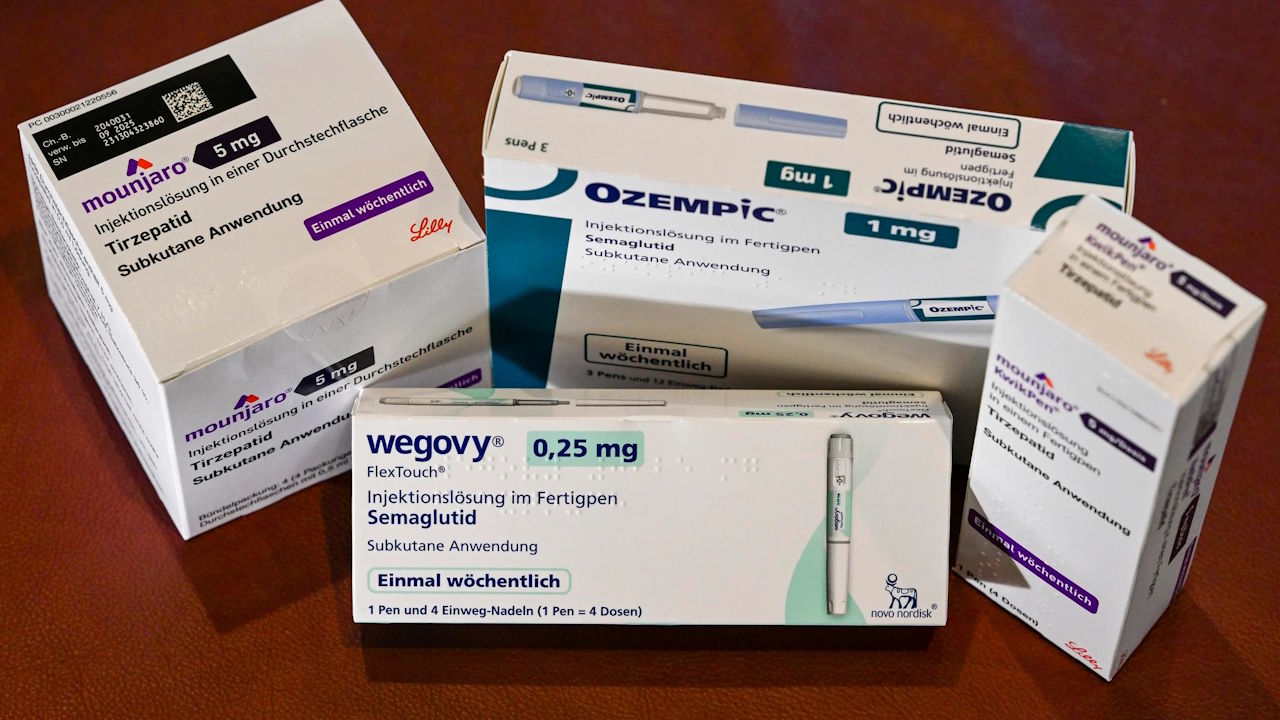
Common GLP-1 receptor agonists include semaglutide (marketed as Ozempic for type 2 diabetes and Wegovy for chronic weight management), liraglutide (Victoza and Saxenda), and dulaglutide (Trulicity). Tirzepatide (Mounjaro and Zepbound) is a dual glucose-dependent insulinotropic polypeptide (GIP) and GLP-1 receptor agonist that shares overlapping mechanisms relevant to gastric emptying. While these drugs share the same basic mechanism, they differ in potency, duration of action, and specific receptor binding characteristics.
Normal Gastric Emptying Process
Understanding how GLP-1 agonists might cause gastroparesis requires understanding normal gastric emptying. The stomach functions as both a reservoir and a grinding chamber. When food enters, the stomach’s muscular walls begin a coordinated series of contractions called peristalsis. These walls consist of smooth muscle arranged in multiple layers.
Contractions serve two purposes: they mix food with gastric acid and digestive enzymes, and they gradually push the resulting mixture (called chyme) toward the pylorus, the opening between the stomach and small intestine. The pylorus contains a muscular valve called the pyloric sphincter, which controls the rate at which chyme enters the duodenum, the first part of the small intestine.
Normal gastric emptying follows a generally predictable pattern under standardized conditions. Liquids often empty more rapidly than solids and may leave the stomach within approximately 30 minutes to two hours, while solid meals commonly require two to four hours for substantial emptying, though normal ranges vary based on meal composition and testing methodology.
A complex interplay of hormones, neural signals, and mechanical factors regulates this process. The vagus nerve, which connects the brain to the digestive system, plays a crucial role in coordinating these contractions. The stomach’s electrical activity also contributes to proper emptying. Specialized cells called interstitial cells of Cajal generate rhythmic electrical impulses at approximately three per minute in humans, coordinating muscle contractions across the stomach wall and ensuring that contractions occur in the proper sequence and intensity needed for effective food propulsion.
Gastroparesis: Definition and Mechanism
Gastroparesis literally means “stomach paralysis,” though the condition typically involves delayed rather than completely absent stomach emptying. The condition is defined as delayed gastric emptying without mechanical obstruction of the stomach outlet.
Food remains in the stomach longer than expected based on standardized testing criteria, sometimes extending several hours beyond typical reference ranges.
The delay occurs when the coordinated muscle contractions necessary for gastric emptying become impaired through several mechanisms: the stomach muscles may become weakened, the electrical pacemaker system may become disrupted, or the neural control systems may malfunction. Food sits in the stomach, often causing symptoms such as nausea, vomiting, early satiety, bloating, and abdominal pain.
Gastroparesis severity varies considerably. Mild cases may cause occasional symptoms and modest delays in emptying. Severe cases can result in frequent vomiting, inability to maintain nutrition, and potentially dangerous complications such as severe dehydration or aspiration of stomach contents into the lungs.
The condition can be temporary or permanent, depending on its underlying cause. When medications cause gastroparesis, the condition may resolve after the drug is discontinued, though recovery can take weeks to months. In some cases, however, the condition may persist even after the triggering medication is stopped.
How GLP-1 Agonists Could Theoretically Cause Gastroparesis
GLP-1 agonists slow gastric emptying as part of their therapeutic effect, inherently pushing the digestive system toward delayed emptying.
The question is whether this intended slowing can progress to pathological delay characteristic of gastroparesis. GLP-1 receptors are expressed throughout the gastrointestinal tract, including in regions of the stomach involved in regulating motility and muscle contraction. When GLP-1 agonists bind to these receptors, they can affect multiple aspects of gastric function. They may reduce the strength of stomach muscle contractions, alter the coordination between different muscle regions, or interfere with the electrical pacing system that normally synchronizes contractions.
The drugs may also influence pyloric tone, potentially increasing resistance to outflow at the gastric outlet and thereby contributing to delayed gastric emptying under certain conditions. GLP-1 agonists can influence the neural control systems that regulate gastric emptying since the vagus nerve contains GLP-1 receptors, and drug binding to these receptors may disrupt the normal communication between the brain and stomach that coordinates digestion.
Dose appears to influence the magnitude of gastric emptying delay, with higher doses generally associated with more pronounced slowing in clinical studies. Prolonged receptor stimulation has been hypothesized to produce adaptive changes in gastric motility, though the extent and reversibility of such effects remain areas of ongoing study.
Diagnostic Methods for Gastroparesis
Gastroparesis diagnosis relies primarily on demonstrating delayed gastric emptying through objective testing. The gold standard test is gastric emptying scintigraphy, which involves eating a standardized meal containing a small amount of radioactive material, then using nuclear imaging to track how quickly the meal leaves the stomach.
The test typically measures gastric retention at one, two, and four hours after eating. Many standardized protocols define normal gastric retention as 10% or less at four hours for a standardized solid meal, though specific cutoff values may vary by laboratory and protocol. Gastroparesis is typically diagnosed when gastric retention exceeds these normal ranges, particularly at the four-hour mark.
Other diagnostic methods include gastric emptying breath tests, which measure carbon dioxide production from labeled food substances, and wireless motility capsules that measure pH, pressure, and transit time as they pass through the digestive system. Upper endoscopy may be performed to rule out mechanical obstructions, though it cannot directly measure gastric emptying.
The relationship between symptoms and test results complicates diagnosis. Some patients with clear evidence of delayed emptying on testing may have relatively mild symptoms, while others with borderline test results may experience severe symptoms. This variability complicates both diagnosis and the assessment of treatment-related cases.
Regulatory Context and Drug Approval Framework
The FDA regulates GLP-1 agonists as prescription drugs under the Federal Food, Drug, and Cosmetic Act. Each specific medication undergoes clinical trials to demonstrate safety and efficacy for its intended use before receiving FDA approval. The approval process requires submission of a New Drug Application containing comprehensive data on the drug’s pharmacology, toxicology, and clinical effects.
During clinical trials and post-marketing surveillance, adverse events including gastrointestinal effects are monitored and reported through the FDA Adverse Event Reporting System. Drug manufacturers must include known side effects in prescribing information and update these warnings as new safety information emerges.
The prescribing information for GLP-1 receptor agonists includes warnings regarding gastrointestinal adverse reactions such as nausea and vomiting, and acknowledges delayed gastric emptying as a pharmacologic effect relevant to tolerability and drug absorption. However, the specific characterization of gastroparesis risk varies among different medications in this class and has evolved over time as more clinical experience has accumulated.
Healthcare providers prescribing these medications must monitor patients for adverse effects and weigh the benefits against potential risks for each individual patient. The standard of care requires informed consent regarding known risks, though the extent of gastroparesis risk disclosure has varied in practice.
Clinical Presentation and Timeline Considerations
When gastroparesis potentially related to GLP-1 agonists develops, the timeline and pattern of symptom onset show wide variation. Some patients report symptoms beginning within days or weeks of starting the medication, while others may not experience problems until months into treatment. The relationship between dose escalation and symptom onset is particularly relevant for causation analysis, as dose escalation is common practice with these medications.
The symptoms themselves often overlap with common side effects of GLP-1 agonists, particularly nausea and vomiting, which can occur even without gastroparesis. This overlap can complicate both clinical recognition and legal causation arguments, as early symptoms may be attributed to expected side effects rather than a more serious condition.
Recovery patterns also show considerable variation. Some patients report improvement in symptoms within weeks of discontinuing the medication, while others experience persistent symptoms for months or longer. In some cases, symptoms may never fully resolve, raising questions about whether the medication triggered irreversible changes in gastric function.
Measurement Challenges and Clinical Variability
Assessing gastric emptying involves inherent measurement challenges that affect both clinical care and legal proceedings.
Gastric emptying rates can vary significantly based on the type of food consumed, the patient’s emotional state, concurrent medications, and underlying medical conditions. Even the same patient may show different emptying rates on different days. The standardized test meals used in scintigraphy studies may not reflect real-world eating patterns, potentially limiting the clinical relevance of test results. The cutoff values used to define abnormal emptying are based on statistical distributions in healthy populations rather than thresholds directly linked to symptom development.
Gastroparesis exists on a spectrum rather than as a clear binary condition. Patients may experience clinically significant symptoms with only mildly delayed emptying on testing while others may show substantially delayed emptying with relatively few symptoms.
The subjective nature of many gastroparesis symptoms also introduces complexity in assessing the condition’s impact on patients’ lives and in establishing causation timelines. Symptoms such as nausea, bloating, and early satiety are common in the general population and can be influenced by numerous factors beyond gastric emptying speed.
This domain overview establishes the biological and clinical foundation necessary to evaluate causation claims involving GLP-1 agonists and gastroparesis. It provides the technical framework needed to assess the strength and limitations of evidence linking these medications to delayed gastric emptying disorders.
Section 3: What Is Established
GLP-1 receptor agonists have been shown in controlled studies to slow gastric emptying in both healthy individuals and patients with type 2 diabetes. This effect has been documented consistently across multiple drug formulations, dosing regimens, and measurement techniques since the early clinical development of these medications in the 1990s.
Mechanism of Gastric Emptying Delay
GLP-1 agonists bind to GLP-1 receptors located throughout the gastrointestinal tract, including expression in regions of the stomach involved in motility regulation, such as the gastric antrum and pyloric region — which help control food passage from stomach to small intestine. When activated, these receptors reduce gastric motility through two pathways: decreasing the strength and frequency of antral contractions that normally propel food toward the pylorus, and increasing pyloric sphincter tone to create greater resistance to food passage.
This mechanism is central to how GLP-1 agonists work therapeutically, not incidental. The slowing contributes directly to appetite suppression and improved glycemic control by extending stomach residence time, promoting earlier satiety and reducing post-meal glucose spikes.
Dose-Response Relationship
Within studied therapeutic ranges, higher doses are generally associated with more pronounced slowing of gastric emptying across approved formulations. In controlled studies using acetaminophen absorption testing — where subjects consume acetaminophen with a test meal and researchers monitor blood levels to track emptying speed — therapeutic doses of semaglutide have been reported in controlled settings to reduce measures of gastric emptying by approximately 30–50% compared to placebo, depending on study design and measurement method. Liraglutide produces similar directional effects, with some studies reporting reductions in measured gastric emptying parameters of up to approximately 60% at higher therapeutic doses, depending on methodology.
Available pharmacodynamic data suggest the effect generally scales with drug exposure rather than representing an all-or-nothing threshold response, although magnitude varies across individuals and study conditions.
Duration and Reversibility
The gastric emptying effects persist throughout the dosing interval for all currently approved GLP-1 agonists. For once-weekly formulations like semaglutide, measurable slowing remains detectable 5-7 days after injection, though strongest in the first 48-72 hours. Daily formulations like liraglutide accumulate with repeated dosing and reach steady state within 2-3 weeks.
When patients discontinue GLP-1 receptor agonists, available evidence indicates that gastric emptying rates tend to move back toward baseline over a timeframe broadly consistent with drug elimination, though individual recovery patterns vary. For semaglutide, which has an elimination half-life of approximately one week, gastric emptying has been observed in clinical studies to trend toward baseline over several weeks after the final dose, with reported timeframes commonly in the range of four to six weeks, subject to interindividual variation. For shorter-acting agents, normalization occurs within 1-2 weeks.
Cross-Drug Class Consistency
Exenatide, liraglutide, dulaglutide, semaglutide, and lixisenatide all demonstrate gastric emptying delay in clinical studies, despite differences in molecular structure, half-life, and dosing frequency. The magnitude varies somewhat between agents, primarily correlating with receptor binding affinity and duration of action, but no approved GLP-1 agonist lacks this property.
This consistency reflects shared mechanism of action rather than compound-specific characteristics.
Clinical Recognition and Monitoring
Prescribing information for approved GLP-1 receptor agonists acknowledges delayed gastric emptying as a pharmacologic effect and addresses related gastrointestinal adverse reactions. FDA-approved labeling explicitly states these medications slow gastric emptying and provides warnings about potential interactions with oral medications requiring rapid absorption. Healthcare providers receive specific guidance to consider timing of co-administered drugs needing prompt absorption, particularly narrow therapeutic index medications.
Professional diabetes management guidelines from the American Diabetes Association and American Association of Clinical Endocrinologists acknowledge gastric emptying delay as both therapeutic mechanism and potential source of side effects. The guidelines recommend physicians inform patients about gastrointestinal effects and monitor for symptoms indicating excessive gastric slowing.
Measurement Validation
Multiple validated techniques confirm the gastric emptying delay. Gastric emptying scintigraphy — the gold standard involving radioactive tracers and serial imaging — consistently demonstrates slowing. Acetaminophen absorption testing, wireless motility capsules measuring gastric transit time, and ultrasonographic assessment of gastric contents all yield concordant results.
These approaches capture distinct aspects of gastric function: scintigraphy measures bulk food movement, acetaminophen absorption reflects liquid phase emptying, and motility capsules assess mechanical transit.
Their convergent findings make the effect particularly reliable.
Baseline Gastric Function Requirements
GLP-1 agonists slow gastric emptying regardless of baseline function, but absolute impact depends on starting emptying rates. In patients with normal baseline emptying, therapeutic doses typically reduce rates to the lower end of normal or into mildly delayed territory. In those with existing gastric slowing — from diabetes-related dysfunction, medications, or other causes — GLP-1 agonists can push emptying rates into clearly abnormal ranges.
Many patients prescribed GLP-1 agonists for diabetes already have some baseline gastric dysfunction. Diabetes-associated gastric dysfunction (sometimes termed diabetic gastropathy) has been reported in a substantial minority of patients with long-standing diabetes, with published prevalence estimates varying widely depending on population and diagnostic criteria.
Individual Variation in Response
While gastric emptying slowing occurs universally, magnitude varies substantially between individuals. Clinical studies show ranges from 20% to 70% reduction in emptying rates at identical doses, with most patients clustering around 30-45% reduction. This variation correlates partially with baseline gastric function, body weight, diabetes duration, and possibly genetic factors affecting GLP-1 receptor sensitivity.
The variation follows consistent patterns within individuals. Patients showing pronounced gastric slowing with initial dosing typically continue to show pronounced effects with ongoing treatment, while those with modest initial responses maintain modest responses over time.
Temporal Patterns of Effect
The gastric emptying delay follows predictable patterns corresponding to drug pharmacokinetics. For once-weekly semaglutide, strongest slowing occurs 24-72 hours after injection when drug levels peak, with gradual lessening toward the end of the dosing interval. This creates weekly cycles where gastric emptying is most delayed early in the week and approaches closer to baseline by the next injection.
Daily liraglutide shows more consistent effects across the 24-hour dosing interval but still demonstrates peak-to-trough variation, with strongest slowing 2-4 hours after injection.
Impact on Solid versus Liquid Emptying
GLP-1 agonists affect both solid and liquid phase gastric emptying, but impact on solids is more pronounced. Liquids generally pass through more readily than solids, which require more coordinated antral contractions and pyloric relaxation. GLP-1 agonists slow both phases, but solid food shows greater delays.
This differential effect has clinical relevance because gastroparesis symptoms correlate more closely with solid food retention than liquid retention. Patients may tolerate liquids reasonably well while experiencing significant symptoms with solid meals.
Relationship to Therapeutic Outcomes
Magnitude of gastric emptying slowing correlates positively with both weight loss and glycemic improvement in patients taking GLP-1 agonists.
Patients showing greater reductions in gastric emptying rates typically achieve more substantial weight loss and better diabetes control. This supports understanding that gastric slowing is mechanistically important for therapeutic efficacy rather than merely incidental. The correlation is not absolute, however — patients can achieve therapeutic benefits with varying degrees of gastric slowing, indicating other mechanisms also contribute to drug efficacy.
Predictability and Onset
Gastric emptying slowing begins within the first few doses and reaches steady-state effect within 2-4 weeks of consistent dosing. Most patients demonstrate measurable slowing of gastric emptying in controlled studies, making it one of the more consistently observed pharmacologic effects of this drug class. For dose escalation regimens, gastric slowing increases proportionally with each dose increase, typically reaching new steady state within 1-2 weeks after each adjustment.
Comparison to Physiological GLP-1
Pharmaceutical GLP-1 agonists produce more pronounced and longer-lasting gastric emptying effects than endogenous GLP-1 released after meals. Native GLP-1 has a half-life of approximately 2 minutes due to rapid enzymatic breakdown, while pharmaceutical versions resist this breakdown and maintain activity for hours to days.
This extended duration means pharmaceutical GLP-1 agonists produce sustained gastric slowing rather than the brief, meal-related slowing occurring with physiological GLP-1 release. Continuous receptor activation creates more persistent alteration in gastric function than occurs naturally.
Section 4: What Is Contested or Weak
The causal link between GLP-1 receptor agonists and gastroparesis sits at the intersection of three active scientific disputes and several areas of thin evidence. These disagreements directly affect the strength of any causation claim because they reflect fundamental uncertainties about drug mechanisms, gastroparesis pathophysiology, and the quality of available data.
Mechanism Disputes: Does GLP-1 Receptor Activity Cause Permanent Gastroparesis?
The most significant scientific disagreement centers on whether GLP-1 receptor activation can cause permanent gastroparesis or only temporary gastric dysfunction that resolves after drug discontinuation.
One position holds that GLP-1 receptor agonists may, in some cases, lead to persistent gastroparesis—potentially involving lasting alterations in gastric neuromuscular function that continue after drug withdrawal. Proponents point to case reports describing continued symptoms months after discontinuation, arguing that prolonged GLP-1 receptor stimulation could contribute to injury or dysfunction within the enteric nervous system or gastric smooth muscle, although direct histopathological evidence remains limited. They note that diabetic gastroparesis, which shares some pathways with GLP-1 effects, often involves irreversible nerve damage.
The opposing position argues that GLP-1 agonists cause reversible gastric dysfunction, not gastroparesis. These researchers emphasize that GLP-1’s primary effect is delayed gastric emptying through normal physiological pathways—the same mechanism the body uses naturally after meals. What appears to be gastroparesis is actually an exaggerated version of normal GLP-1 function that should reverse when the drug is stopped. When symptoms persist, they attribute this to underlying diabetes, pre-existing gastric dysfunction, or other causes.
The underlying mechanisms are not fully understood. GLP-1 receptors are found throughout the gastrointestinal tract, but exactly how chronic stimulation affects the complex network of neurons, smooth muscle cells, and hormonal signals that control gastric emptying remains unmapped. The enteric nervous system—the “second brain” that controls gut function—contains millions of neurons whose individual and collective responses to sustained GLP-1 activation have not been systematically studied.
The temporal pattern of symptom resolution adds complexity. Some patients report symptom improvement within weeks of discontinuation, supporting the reversible dysfunction theory. Others report persistent symptoms for months or years, supporting the permanent damage theory. Gastroparesis from any cause can fluctuate unpredictably, making it difficult to distinguish true resolution from natural variation.
Diagnostic Challenges: What Constitutes GLP-1-Induced Gastroparesis?
A second major dispute involves the diagnostic criteria used to identify GLP-1-induced gastroparesis. This disagreement has practical implications for every case because it determines which patients count as having the condition.
The traditional approach requires formal gastroparesis diagnosis through gastric emptying studies—typically a four-hour solid-meal test using radioactive tracers. Under this standard, gastroparesis is defined as delayed gastric emptying (greater than 10% food retention at four hours) combined with characteristic symptoms. Advocates argue that without objective measurement, the diagnosis becomes unreliable and could include patients with functional dyspepsia, anxiety-related symptoms, or other conditions that mimic gastroparesis.
An alternative approach accepts gastroparesis diagnosis based on clinical symptoms alone, particularly when gastric emptying studies are normal or unavailable. Proponents argue that some patients have classic gastroparesis symptoms with normal or only mildly delayed emptying on testing, a condition sometimes called “gastroparesis-like syndrome” or “functional gastroparesis.” Gastric emptying studies have limitations—they measure only solid food emptying, test only a single time point, and may not capture intermittent or liquid emptying problems.
Gastroparesis itself is an evolving concept. The condition was originally defined by severely delayed emptying visible on nuclear medicine scans, but clinicians increasingly recognize that gastric dysfunction exists on a spectrum. Some patients have debilitating symptoms with only mild emptying delays. Others have normal emptying for solids but problems with liquids, which standard tests do not capture.
Nausea, vomiting, abdominal pain, and early satiety are commonly reported adverse effects in patients taking these medications, with incidence rates in clinical trials often falling within the 20–40% range depending on agent, dose, and study population. Distinguishing between normal drug side effects and pathological gastroparesis requires clinical judgment that varies among practitioners.
Causation Standards: Population Risk Versus Individual Cases
The third active dispute involves the level of evidence required to establish causation between GLP-1 agonists and gastroparesis.
One position demands population-level epidemiological evidence—controlled studies showing increased gastroparesis rates in exposed versus unexposed populations. Advocates argue that case reports and case series, while suggestive, cannot establish causation because they lack comparison groups and may reflect reporting bias, confounding by indication, or chance clustering. Gastroparesis occurs in diabetes patients regardless of GLP-1 agonist use, making individual case assessment unreliable without population data.
The opposing position accepts individual case assessment using established causation criteria—temporal relationship, biological plausibility, dose-response patterns, and improvement after discontinuation (dechallenge). Proponents argue that rare adverse events may never generate sufficient numbers for population studies, and waiting for such evidence could leave patients unprotected. Regulatory agencies routinely accept individual case reports for safety signal detection, and Bradford Hill criteria for causation do not require population studies.
This reflects different risk tolerance and epistemological approaches. The population evidence standard provides stronger protection against false positive associations but may miss real risks that affect small numbers of patients. The individual case standard offers faster risk detection but may generate false alarms from coincidental associations.
Several case series report gastroparesis diagnoses in GLP-1 receptor agonist users, but large controlled studies specifically designed with gastroparesis as a primary endpoint are limited. Post-marketing surveillance databases contain gastroparesis reports, but these passive collection systems are subject to reporting bias and cannot establish baseline rates in unexposed populations.
Evidence Quality Limitations
Beyond active disputes, several aspects of the evidence base are consistently weak across studies.
Case series reporting varies dramatically in diagnostic rigor. Some studies require formal gastric emptying tests for diagnosis, others accept clinical symptoms alone, and still others use mixed or unclear criteria. This heterogeneity makes it difficult to assess the true strength of the association or to compare findings across studies.
Confounding by indication likely affects many observational studies in this area. Physicians prescribe GLP-1 agonists primarily for diabetes management, and diabetic gastroparesis is a well-recognized complication of diabetes itself.
Patients receiving these medications often have advanced diabetes with multiple complications, making it difficult to separate drug effects from underlying disease progression.
Even studies attempting to control for diabetes duration and severity face challenges because gastroparesis risk may correlate with glucose control patterns, medication compliance, or other unmeasured factors.
Temporal relationship assessment lacks standardization. Studies define “temporal relationship” differently—some require symptom onset within days of starting treatment, others allow months. The variable onset timing reported in case series (ranging from days to years after starting treatment) raises questions about whether all reported cases represent the same phenomenon.
Publication and reporting bias likely affects the available evidence. Dramatic cases with severe symptoms are more likely to be reported and published than mild cases that resolve quickly. Positive rechallenge cases (symptoms returning when the drug is restarted) are particularly likely to be reported, potentially overestimating the strength of causal evidence.
Measurement and Detection Problems
The methods used to detect and measure gastroparesis in the GLP-1 agonist context have several inherent limitations that affect evidence interpretation.
Gastric emptying studies, the gold standard for gastroparesis diagnosis, were designed for patients with suspected gastroparesis, not for detecting drug-induced gastroparesis in asymptomatic patients. The studies measure emptying at a single time point and may miss intermittent dysfunction. No studies have systematically performed serial gastric emptying tests in patients starting GLP-1 agonists to establish how often asymptomatic emptying delays occur.
Symptom-based detection relies heavily on patient reporting and clinician recognition. Gastroparesis symptoms overlap significantly with common side effects of GLP-1 agonists, diabetes complications, and other GI conditions. Studies typically do not use validated gastroparesis symptom scales or systematic symptom assessment protocols, making symptom-based diagnosis vulnerable to subjective interpretation.
Dechallenge and rechallenge data—improvement after stopping the drug and symptom return when restarting—is considered strong evidence for drug causation. Gastroparesis symptoms are known to fluctuate over time, and patients stopping GLP-1 agonists often receive other treatments (diet changes, prokinetic medications, diabetes management adjustments) that could explain symptom improvement. Few reported cases include formal rechallenge testing due to ethical concerns about re-exposing patients to suspected harmful drugs.
Duration and Reversibility Uncertainties
The most clinically important uncertainty involves the long-term prognosis of suspected GLP-1-induced gastroparesis.
Follow-up duration in published cases varies widely, from weeks to years, with most studies reporting relatively short follow-up periods. Cases reporting persistent symptoms after drug discontinuation typically follow patients for months rather than years, making it difficult to assess whether apparent permanence reflects true irreversibility or simply slow recovery.
Natural history comparison is lacking. No studies compare the recovery patterns of suspected GLP-1-induced gastroparesis to gastroparesis from other causes. Diabetic gastroparesis can improve over time with better glucose control, making it unclear whether recovery patterns in GLP-1 users reflect drug discontinuation or concurrent diabetes management improvements.
Recovery definitions vary among studies. Some define recovery as complete symptom resolution, others as symptom improvement, and still others as normalized gastric emptying tests. These different endpoints make it difficult to assess what proportion of patients truly recover and how long recovery takes.
Dose-Response Relationship Evidence
The relationship between GLP-1 agonist dose, duration of use, and gastroparesis risk remains poorly characterized.
Cross-study comparison of gastroparesis rates at different doses is complicated by different patient populations, diagnostic criteria, and follow-up durations. Individual case reports typically do not systematically examine whether higher doses correlate with more severe symptoms or longer recovery times.
Duration of use before symptom onset varies dramatically across reported cases, from days to years. This variation raises questions about whether immediate-onset and delayed-onset cases represent the same phenomenon or different pathological processes. Some cases report gastroparesis developing only after months or years of stable treatment, which is unusual for typical drug adverse events but possible if cumulative exposure causes progressive gastric dysfunction.
Researchers have not systematically studied individual susceptibility factors that might modify dose-response relationships—genetic variants affecting GLP-1 receptor sensitivity, baseline gastric function, or concurrent medications.
These contested areas and evidence limitations collectively create substantial uncertainty around GLP-1-induced gastroparesis causation claims. The disputes reflect fundamental gaps in understanding that affect both the scientific assessment of causation and its application in legal contexts.
At present, the available evidence base does not conclusively establish either universal causation or categorical absence of risk.
Section 5: Methodological Vulnerabilities
The evidence base linking GLP-1 receptor agonists to gastroparesis includes several inferential limitations that may create opportunities for methodological challenge. These vulnerabilities operate at different levels, from how gastroparesis is identified and measured to how causation is inferred from observational data. Each weakness creates specific blind spots in the evidence that opposing counsel can exploit to undermine claims of established causation.
Gastroparesis Diagnostic Uncertainty
Gastroparesis exists on a spectrum from mild delayed gastric emptying to severe gastric paralysis, but most studies rely on diagnostic codes or clinical documentation rather than objective gastric emptying tests. This creates a multi-layered measurement problem.
International Classification of Diseases (ICD) codes for gastroparesis serve as the primary method used in large database studies. These codes capture only cases severe enough to warrant medical attention and formal diagnosis. Many patients with clinically significant delayed gastric emptying never receive a gastroparesis diagnosis because physicians attribute their symptoms to other causes, treat them symptomatically, or the symptoms resolve before definitive testing occurs.
Gastroparesis symptoms overlap extensively with other gastrointestinal conditions seen in patients with diabetes, including diabetic enteropathy, functional dyspepsia, and gastroesophageal reflux disease. Studies that rely on diagnostic codes cannot distinguish true gastroparesis from these mimicking conditions.
Gastric emptying scintigraphy represents the gold standard for gastroparesis diagnosis. This test measures how quickly a standardized test meal moves through the stomach using radioactive tracers. However, this test is expensive, not universally available, and rarely performed in routine clinical practice. Most research studies cannot verify that patients coded with gastroparesis actually underwent definitive testing.
The exposure–outcome relationship under study may, in some cases, reflect a heterogeneous group of clinically similar conditions with differing underlying mechanisms rather than uniformly confirmed gastroparesis.
Diagnostic uncertainty creates a bidirectional bias. Some patients labeled as having gastroparesis may have other conditions, diluting any true association with GLP-1 agonists. Conversely, patients with mild gastroparesis that remains undiagnosed are misclassified as unaffected, which could either strengthen or weaken the apparent association depending on their medication exposure patterns.
Exposure Measurement Challenges
Prescription database studies track dispensed prescriptions but generally cannot verify actual medication adherence, precise dosing patterns, or exact treatment discontinuation timing. This prescription-performance gap introduces systematic exposure misclassification.
GLP-1 agonists are injectable medications requiring specific storage conditions and administration techniques. Patient adherence rates vary substantially based on injection frequency, side effects, cost, and individual comfort with self-injection. Studies assuming that filled prescriptions equal actual drug exposure will misclassify substantial numbers of patients as exposed when they were not, or as unexposed during periods when they were intermittently using stored medication.
Gastroparesis symptoms can develop gradually over months or years, but most studies define exposure windows arbitrarily, often 90 to 180 days before gastroparesis diagnosis. A patient who used a GLP-1 agonist for six months, discontinued it due to gastrointestinal side effects, and developed gastroparesis symptoms nine months later might be classified as unexposed in a study using a six-month lookback window, even though the earlier exposure could be causally relevant.
Higher doses and longer treatment durations would be expected to show stronger associations if the relationship is causal, but researchers rarely examine dose-response relationships. Prescription databases typically do not capture actual doses administered, making exposure assessment a binary rather than graduated evaluation.
Confounding by Indication
Patients prescribed GLP-1 agonists differ systematically from those who are not in ways that independently affect gastroparesis risk. Patients prescribed GLP-1 agonists typically have more severe, longer-duration, or poorly controlled diabetes compared to those receiving other treatments. Diabetes duration and glycemic control are themselves independent risk factors for gastroparesis through direct effects on autonomic nerve function.
Studies attempting to control for diabetes severity using measures like hemoglobin A1C levels or diabetes duration face the problem that these variables are imperfect proxies for the underlying disease processes that drive both treatment selection and gastroparesis risk.
Patients receiving newer, more expensive treatments like GLP-1 agonists often have more complex medical profiles, see specialists more frequently, and undergo more diagnostic testing. This increased medical surveillance creates opportunities to detect gastroparesis that would go unnoticed in patients receiving standard treatments.
An observed association between GLP-1 receptor agonists and gastroparesis in some datasets could, in part, reflect differential detection or surveillance rather than a direct causal effect.
Comorbidity patterns create additional confounding pathways. Patients prescribed GLP-1 agonists are more likely to have obesity, cardiovascular disease, and other conditions that require multiple medications. Some of these medications, including opioids, anticholinergics, and certain psychiatric medications, can themselves delay gastric emptying or worsen gastroparesis symptoms. Studies that fail to adequately control for concurrent medications may attribute gastroparesis risk to GLP-1 agonists when the true cause lies elsewhere.
Temporal Relationship Ambiguities
The gradual, insidious onset of gastroparesis symptoms makes it difficult to pinpoint when the condition actually began relative to medication initiation. Database studies typically identify gastroparesis using the first diagnostic code or claim, which represents healthcare system recognition rather than true disease onset. A patient may experience gastroparesis symptoms for months before seeking medical care or receiving an accurate diagnosis.
Many gastroparesis cases attributed to GLP-1 agonists in observational studies may represent recognition or worsening of pre-existing delayed gastric emptying rather than new-onset disease. Patients with subclinical gastroparesis who begin GLP-1 agonists may experience symptom exacerbation that leads to medical evaluation and formal diagnosis. The medication appears temporally associated with gastroparesis onset, but the underlying condition preceded drug exposure.
Protopathic bias may further complicate interpretation. Patients beginning to experience delayed gastric emptying may report poor appetite, early satiety, or gastrointestinal discomfort to their physicians. These symptoms might prompt initiation of a GLP-1 agonist for diabetes management, creating the appearance of drug-induced gastroparesis when the gastroparesis preceded and influenced the prescribing decision.
Selection and Survival Biases
Most research draws from specialty clinics, referral centers, or administrative databases that capture only patients with access to healthcare and severe enough symptoms to warrant medical attention. Patients seen in gastroenterology or endocrinology clinics represent a selected population with more complex disease, greater symptom severity, or specific referral patterns. Studies based on such selected populations may not reliably estimate the true incidence or risk factors for gastroparesis in broader clinical practice.
Survival bias affects longitudinal studies that require patients to remain under medical care for extended periods. Patients who develop severe side effects from GLP-1 agonists, including gastroparesis, may discontinue treatment and transfer care, becoming lost to follow-up. Conversely, patients who tolerate the medications well remain in the study population longer, creating an apparent safety profile that underestimates true complication rates.
GLP-1 agonists are expensive medications often requiring prior authorization or step therapy protocols. Patients who receive these medications may have specific insurance coverage, socioeconomic status, or healthcare access that correlates with gastroparesis detection and reporting patterns in ways unrelated to the medications themselves.
Outcome Definition Variability
Different studies use different diagnostic criteria, severity thresholds, and confirmation requirements, making it unclear whether they are examining the same clinical entity. Some studies include any diagnostic code for gastroparesis, while others require specific procedural codes indicating gastric emptying tests were performed. Studies using broader definitions capture more cases but include more diagnostic uncertainty. Studies using stricter definitions miss mild cases but may better reflect true gastroparesis.
Studies may capture gastroparesis diagnosed within 90 days, one year, or five years of medication initiation. Shorter follow-up periods miss delayed-onset cases but reduce confounding from other factors. Longer follow-up periods capture more cases but introduce more opportunities for alternative explanations.
Researchers rarely incorporate severity gradations into outcome definitions, despite gastroparesis existing on a spectrum from mild delayed emptying to complete gastric paralysis. Studies treating all gastroparesis cases equally cannot distinguish medications that cause severe paralysis from those that produce mild delay. This limitation prevents assessment of dose-response relationships and clinical significance gradations that would strengthen or weaken causal inference.
Control Group Composition Problems
Most studies compare GLP-1 agonist users to other diabetes medication users, but these comparison groups are not equivalent in disease severity, treatment history, or gastroparesis risk factors. Patients prescribed newer medications like GLP-1 agonists often have different diabetes characteristics than those receiving older treatments. They may have failed previous therapies, have contraindications to standard medications, or have specific clinical features that influenced prescribing decisions.
Active comparator selection affects apparent safety profiles in complex ways. Comparing GLP-1 agonists to metformin users will show different risk patterns than comparing them to insulin users, because these comparison groups have fundamentally different diabetes severity and risk factor profiles.
The healthy user effect creates systematic bias toward apparent safety for GLP-1 agonists. Patients prescribed newer medications tend to have better overall health behaviors and healthcare engagement. Patients receiving these medications may be more likely to follow dietary recommendations, attend medical appointments, and report symptoms early, leading to better overall outcomes that mask true medication-related risks.
Multiple Comparisons and Data Mining Concerns
When researchers examine dozens of potential adverse outcomes simultaneously, some will appear statistically significant by chance alone, even when no true causal relationship exists. Most pharmacovigilance studies do not adjust for multiple comparisons when testing numerous adverse event outcomes. The conventional p-value threshold of 0.05 means that one in twenty comparisons will appear statistically significant due to random variation.
Researchers may identify unexpected signals in their data and pursue additional analyses without acknowledging that these represent secondary findings requiring independent confirmation. The distinction between planned primary analyses and exploratory secondary findings becomes blurred, making it difficult to assess the true statistical strength of evidence for any specific association.
Data mining approaches that search for unexpected patterns in large healthcare databases increase the likelihood that some medication–outcome combinations will appear statistically associated by chance, absent appropriate correction and validation. Without proper statistical correction and prospective validation, such findings may enter the literature as evidence of causal relationships when they represent statistical artifacts.
These methodological vulnerabilities collectively create substantial inferential uncertainty around the relationship between GLP-1 agonists and gastroparesis.
Each weakness provides specific grounds for challenging the reliability of study findings and the strength of causal inference.
Section 6: Analytical Implications
GLP-1 receptor agonist gastroparesis causation claims present a complex evidentiary landscape where mechanical plausibility intersects with significant inferential challenges. The following analytical implications provide clear guidance for professional evaluation of the evidence base supporting causal claims.
The mechanistic foundation supports biological plausibility but cannot establish individual causation. GLP-1 receptors are demonstrably present throughout the gastrointestinal tract, including expression in regions such as the gastric antrum, where coordinated muscular contractions essential for gastric emptying occur. When GLP-1 agonists bind to these receptors, they reliably slow gastric motility through well-documented pathways involving smooth muscle relaxation and altered neural signaling to the vagus nerve. This mechanism is not theoretical—it is the intended pharmacological effect that enables glucose control by delaying nutrient absorption.
This established mechanism only demonstrates that GLP-1 agonists can cause delayed gastric emptying under certain conditions.
The mechanism does not establish that any particular individual’s gastroparesis resulted from GLP-1 agonist exposure rather than pre-existing diabetes-related gastric dysfunction, concurrent medications, or other medical conditions that frequently present with identical symptoms.
No research has established clearly defined threshold doses below which gastroparesis risk becomes negligible or above which gastroparesis becomes probable. The clinical literature shows wide individual variation in gastric motility response to identical dosing regimens. Some patients experience significant delay at standard therapeutic doses, while others demonstrate comparatively modest changes in gastric emptying at similar doses; systematic data at supratherapeutic ranges are limited. This absence of characterized dose-response relationships creates substantial uncertainty for individual causation claims, particularly in cases involving standard dosing where the plaintiff’s exposure level cannot be distinguished from that of patients who experience no gastric complications.
Current case reports and case series document gastroparesis symptoms occurring anywhere from days to months after GLP-1 agonist initiation, but no systematic research has established biologically meaningful temporal windows for symptom onset. The delayed nature of gastroparesis development—whether drug-induced or disease-related—means that symptoms may not manifest until gastric dysfunction reaches a threshold of clinical recognition. Courts and experts attempting to apply temporal proximity criteria lack evidence-based standards for distinguishing causally relevant timing from coincidental association. This creates particular analytical challenges in cases where patients had pre-existing diabetes, gastroparesis risk factors, or intermittent gastric symptoms before drug exposure.
In several published case series, a majority of patients reported symptom improvement after GLP-1 receptor agonist discontinuation, but this reversibility pattern has significant limitations for establishing causation in individual cases. The 6-12 month timeframe typically required for improvement overlaps substantially with the natural variability of gastroparesis symptoms, which characteristically fluctuate in severity over time regardless of etiology. The 40% of patients who do not experience improvement after discontinuation may represent either irreversible drug-induced injury or misattributed symptoms that were never drug-related. The reversibility criterion cannot distinguish between true causal relationships and cases where symptom improvement follows discontinuation for unrelated reasons, such as concurrent dietary modifications, other medication changes, or natural disease progression.
Diabetic gastroparesis and GLP-1 agonist-induced gastroparesis are clinically indistinguishable, share identical symptom profiles, and demonstrate similar gastric emptying study results. Published estimates suggest that a substantial minority of patients with longstanding diabetes develop some degree of gastric motility dysfunction over the course of their disease, with reported prevalence varying widely depending on diagnostic criteria and population studied. GLP-1 agonists are prescribed precisely for this population. Separating drug effects from disease progression presents extraordinary analytical challenges.
This confounding represents a significant inferential challenge that is difficult to fully resolve, even with improved study design or additional data collection.
Expert witnesses and courts must grapple with the reality that standard diagnostic tools cannot definitively distinguish between these competing explanations for gastroparesis in diabetic patients.
Gastric emptying studies, the primary diagnostic tool for gastroparesis, measure functional outcomes rather than underlying pathophysiology. A patient with 25% gastric retention at 4 hours post-meal will produce identical study results whether their gastroparesis stems from diabetic nerve damage, GLP-1 receptor activation, or other causes. Symptom scales and clinical assessments similarly lack etiological specificity, as nausea, vomiting, bloating, and early satiety present consistently across different gastroparesis causes. Even cases with clear temporal relationships between drug exposure and symptom onset cannot achieve definitive causal attribution through currently available medical testing.
Available case reports and case series, while valuable for documenting potential associations, systematically favor severe, unusual, or rapidly developing cases that prompt medical attention and case publication. The absence of controlled studies means that background gastroparesis rates in comparable unexposed populations remain unknown, preventing calculation of attributable risk or relative risk estimates. Claims about population-level causation rates derived solely from spontaneous reporting systems or case series compilations warrant careful scrutiny, as these sources cannot account for underreporting, reporting bias, or the appropriate denominator of total exposed patients.
Experts offering opinions on specific causation in GLP-1 agonist gastroparesis cases must contend with the reality that multiple plausible explanations exist for gastroparesis development in the typical plaintiff profile. The evidence base supports conclusions about biological plausibility and potential causal pathways but does not support definitive exclusion of alternative explanations in individual cases.
Expert opinions asserting certainty about individual causation may exceed what the current evidence base can reliably support.
Conversely, expert opinions that acknowledge mechanistic plausibility while honestly characterizing the limitations of individual causal determination reflect a more accurate representation of the scientific record.
Recent FDA labeling updates for certain GLP-1 receptor agonists referencing delayed gastric emptying or gastroparesis reflect regulatory acknowledgment of reported associations and post-marketing safety information rather than formal quantification of individual-level causal risk. These labeling changes establish that manufacturers have notice of potential gastroparesis risks and that prescribing physicians should consider this possibility in clinical decision-making. However, regulatory warnings do not constitute scientific validation of specific causation theories, nor do they provide risk quantification suitable for individual case evaluation. Courts should distinguish between regulatory recognition of potential associations and scientific establishment of causal relationships.
Unlike toxic exposures where dose-response relationships and population studies may support general causation findings applicable across cases, GLP-1 agonist gastroparesis claims require individualized assessment of competing explanations for each plaintiff’s condition. Standard epidemiological approaches for establishing causation are poorly suited to this clinical scenario due to the high background rate of gastroparesis in the exposed population and the mechanistic complexity of gastric motility regulation.
Legal standards requiring proof of causation by a preponderance of the evidence face particular challenges in this context, where multiple explanations may be individually plausible but collectively create significant uncertainty about the most probable cause.
Plaintiff attorneys must recognize that even cases with compelling temporal relationships and symptom reversibility face significant challenges establishing specific causation given the confounding factors and diagnostic limitations. Defense attorneys must acknowledge that biological plausibility and documented case reports create genuine factual disputes about causation that may survive summary judgment motions. Both sides should anticipate that expert testimony will likely focus more on the weight of competing explanations than on definitive causal determinations, requiring litigation strategies that account for this analytical uncertainty.
The evidence base surrounding GLP-1 agonists and gastroparesis reflects an evolving understanding of a clinically relevant association that lacks the epidemiological foundation typically required for confident causal attribution in individual cases. Professional evaluation of these claims must balance recognition of legitimate biological concerns with honest assessment of the substantial analytical limitations that prevent definitive causation conclusions under current evidence standards.
Recent Developments
Recent Case and Litigation Developments
The litigation landscape for GLP-1 receptor agonist gastroparesis claims underwent substantial consolidation and early judicial resolution during this period. On February 2, 2024, the Judicial Panel on Multidistrict Litigation issued Transfer Order No. 3094 centralizing federal cases alleging that GLP-1 receptor agonists caused gastrointestinal injuries, including gastroparesis, ileus, and bowel obstruction, in the Eastern District of Pennsylvania. The MDL encompasses claims against semaglutide products (Ozempic, Wegovy, Rybelsus), tirzepatide products (Mounjaro, Zepbound), dulaglutide (Trulicity), and other GLP-1 medications.
This centralization established the primary federal coordination forum that now drives discovery protocols, expert witness standards, and bellwether case selection for what has become a substantial mass tort proceeding.
The MDL’s scope expanded significantly on December 12, 2024, when the JPML issued a supplemental transfer order adding Saxenda (liraglutide) claims to the consolidated proceeding. This expansion broadened the litigation beyond the newer dual-agonist and long-acting formulations to include an earlier-generation GLP-1 receptor agonist, potentially expanding discovery obligations regarding corporate knowledge, pharmacological mechanisms, and labeling practices across multiple product generations and regulatory timelines.
The transferee court moved quickly to address foundational evidentiary issues that could resolve significant portions of the MDL inventory. On August 2, 2024, the court issued Case Management Order No. 18, prioritizing early motion practice on cross-cutting legal and scientific questions. The court specifically identified the reliability of gastroparesis diagnoses made without objective gastric emptying studies as a threshold issue, alongside questions regarding warning adequacy and federal preemption defenses. This prioritization signaled judicial recognition that diagnostic proof standards and regulatory-label defenses could be dispositive across many cases, potentially narrowing the litigation before extensive individual discovery.
The court resolved major aspects of the defendants’ motion to dismiss the Master Complaint on August 15, 2025, issuing a detailed memorandum that granted the motion in part and denied it in part. This ruling determined which legal theories survive at the master-pleading stage, directly affecting the scope of discovery and the posture of downstream dispositive motions. The court’s analysis of pleading sufficiency for different injury theories and causation claims now shapes how individual cases must be structured and what evidence plaintiffs must develop to avoid dismissal.
These developments establish a litigation framework where diagnostic methodology and regulatory compliance serve as early screening mechanisms for case viability. The court’s focus on cross-cutting issues rather than individual case development indicates a strategy to resolve large portions of the inventory through dispositive rulings on common questions, fundamentally altering how attorneys must approach case evaluation and development in this MDL.
Evidentiary and Expert Witness Developments
The MDL court issued comprehensive Rule 702 rulings on August 15, 2025, that materially altered the evidentiary landscape for proving gastroparesis injury in GLP-1 litigation.
The court excluded key opinions from Dr. Daniel L. Raines regarding the reliability of gastroparesis diagnoses made without gastric emptying studies.
Dr. Raines had offered methodology for diagnosing drug-induced gastroparesis based on symptomatology and clinical presentation alone, without requiring objective gastric motility testing. The court found this approach methodologically unreliable under Rule 702 standards, excluding the overarching opinion that gastroparesis can be reliably diagnosed in this litigation context without gastric emptying studies.
This exclusion directly impacts proof of injury for substantial portions of the MDL inventory, as many plaintiffs lack formal gastric emptying study documentation. The ruling establishes that symptomatic presentations alone, even when consistent with gastroparesis, may be insufficient for reliable diagnosis in the litigation context. This standard will influence case screening criteria, individual case valuations, and summary judgment strategy, as plaintiffs without objective testing face significantly higher burdens for establishing the basic element of injury.
The court also addressed challenges to Dr. Eliot L. Siegel in the same memorandum, though the specific scope of any exclusion regarding Dr. Siegel’s opinions requires examination of the ruling’s conclusion section for precise parameters. The court’s treatment of Dr. Siegel’s methodology affects the availability of plaintiff-side medical testimony on diagnostic and testing standards, potentially further constraining plaintiffs’ ability to establish injury through clinical presentation alone.
The court declined to exclude key rebuttal opinions from defense expert Dr. Linda A. Nguyen. Dr. Nguyen’s permitted testimony includes opinions that symptoms may be poor predictors of delayed gastric emptying and that symptomatology alone cannot reliably establish gastroparesis diagnosis. The court’s acceptance of these rebuttal opinions reinforces defense arguments regarding the non-specificity of gastrointestinal symptoms and supports motions for summary judgment targeting plaintiffs who lack objective gastric motility testing.
These Rule 702 rulings fundamentally shift the evidentiary requirements for establishing gastroparesis injury from clinical presentation to objective testing standards. The exclusions create a diagnostic proof gap for many plaintiffs while strengthening defense positions that emphasize the limitations of symptom-based diagnosis. This evidentiary framework will likely drive case settlements or dismissals for plaintiffs lacking gastric emptying studies while concentrating remaining litigation around cases with objective diagnostic documentation.
Regulatory and Agency Developments
The Food and Drug Administration implemented significant labeling revisions for GLP-1 receptor agonists during late 2024, adding or strengthening warnings regarding delayed gastric emptying and associated aspiration risks during anesthesia or deep sedation. These labeling changes represent a class-wide recognition of delayed gastric emptying as a clinically relevant adverse effect requiring specific risk communication to healthcare providers and patients.
The updated Ozempic (semaglutide) labeling now includes explicit warnings that delayed gastric emptying may leave residual gastric contents and has been associated with rare pulmonary aspiration events under anesthesia or deep sedation. Similar warning language appears in revised labeling for Wegovy, Zepbound (tirzepatide), and Mounjaro, indicating FDA’s systematic approach to addressing this risk across the GLP-1 receptor agonist class. These labeling revisions directly relate to duty-to-warn timelines, notice and knowledge arguments, and the distinction between gastroparesis as a clinical diagnosis and delayed gastric emptying as a broader pharmacological effect recognized in regulatory labeling.
The timing and content of these labeling changes affect preemption analysis and warning adequacy claims. The revised warnings demonstrate FDA’s evolving understanding of gastric motility risks, potentially supporting arguments that earlier labeling was inadequate while also providing defendants with current regulatory compliance defenses. The distinction between “delayed gastric emptying” as recognized in FDA labeling and “gastroparesis” as claimed in litigation becomes crucial for determining whether regulatory warnings address the specific risks alleged in individual cases.
FDA also intensified its focus on unapproved and illegal GLP-1 products during this period, issuing updated consumer and provider warnings about compounded semaglutide, tirzepatide, and research-use formulations being sold illegally. The agency’s February 4, 2026, safety update emphasized concerns about product quality, dosing accuracy, and adverse events associated with these unapproved formulations. This regulatory attention to alternative sources of GLP-1 medications affects alternative-cause narratives and helps distinguish cases involving approved pharmaceutical products from those involving compounded or research-grade formulations of uncertain quality and dosing.
These regulatory developments strengthen the foundation for duty-to-warn claims while providing defendants with current compliance defenses. The FDA’s recognition of delayed gastric emptying risks in labeling supports arguments that these effects are foreseeable consequences of GLP-1 receptor agonism, while the distinction between regulatory warnings about delayed gastric emptying and litigation claims of gastroparesis creates potential gaps in warning adequacy arguments.
Emerging Scientific Literature
Several significant studies published since January 2024 have expanded the epidemiological evidence base regarding GLP-1 receptor agonists and gastroparesis risk. A large real-world comparative analysis published in BMJ Open Gastroenterology in 2025 by Aneke-Nash and colleagues examined gastroparesis risk in obesity patients without type 2 diabetes comparing semaglutide users to those receiving bupropion-naltrexone or sleeve gastrectomy. The study reported higher gastroparesis risk associated with semaglutide compared to these alternative treatments, providing post-2024 epidemiologic evidence that may be cited regarding association strength and comparative risk profiles.
This comparative study design addresses important confounding variables by examining obesity treatment modalities in patients without diabetes, potentially isolating drug-specific effects from underlying diabetic gastroparesis risk. The findings contribute to arguments about association and comparative risk, though the exact study population size, follow-up duration, and gastroparesis definition require verification from the complete publication for litigation use. The study’s real-world design and comparative approach make it potentially influential for expert testimony regarding causation and risk quantification.
A comprehensive mechanistic review published in the Journal of Clinical Endocrinology & Metabolism in 2025 by Jalleh and colleagues synthesized current understanding of GLP-1 and GLP-1 receptor agonist effects on gastric emptying and clinical consequences. This review addresses biological plausibility mechanisms and discusses clinical implications of delayed gastric emptying, while also identifying gaps in the current evidence base. The publication serves as an authoritative secondary source for explaining the pharmacological basis of gastric motility effects and the definitional boundaries between delayed gastric emptying and gastroparesis as distinct clinical entities.
Research presented at Digestive Disease Week 2024 included a large real-world analysis examining associations between GLP-1 receptor agonist prescribing and gastroparesis risk in patients with type 2 diabetes. The conference abstract concluded there was an association in the studied population, though the preliminary nature of conference presentations limits the weight this evidence carries compared to peer-reviewed publications. This research frequently appears in expert reports and briefing materials as emerging real-world evidence, but its conference abstract status affects its evidentiary value and reliability for litigation purposes.
A conference abstract presented at the American College of Gastroenterology 2024 meeting reported comparative data between tirzepatide and semaglutide regarding de novo gastroparesis risk in non-diabetic obesity patients. The abstract suggested lower gastroparesis risk with tirzepatide compared to semaglutide in the studied population. This finding could be cited for drug-specific differentiation arguments and for challenging assumptions about uniform class-wide risk, though the abstract format requires careful validation of methodology and definitions before litigation use.
The emerging literature provides additional epidemiological support for associations between GLP-1 receptor agonist use and gastroparesis while highlighting important methodological considerations regarding diagnostic criteria, population selection, and comparative risk assessment.
The distinction between conference abstracts and peer-reviewed publications becomes crucial for evaluating the reliability of cited evidence in expert testimony and motion practice.
Industry and Practice Developments
Major U.S. professional medical societies substantially revised their guidance regarding perioperative management of GLP-1 receptor agonist therapy in October 2024. The multi-society guidance developed by the American Society of Anesthesiologists, American Gastroenterological Association, American Society for Metabolic and Bariatric Surgery, and Society of American Gastrointestinal and Endoscopic Surgeons represents a significant shift from earlier recommendations for routine discontinuation before elective procedures.
The updated guidance states that most low-risk patients can continue GLP-1 receptor agonist therapy before elective surgery, emphasizing individualized risk assessment for delayed gastric emptying rather than blanket discontinuation recommendations. This guidance change reflects evolving clinical understanding of gastric motility risks and their management, while establishing new standard-of-care expectations for provider counseling and decision-making regarding perioperative medication management.
The professional society recommendations directly impact standard-of-care narratives in litigation by establishing what organized medicine now considers appropriate risk assessment and counseling practices. The guidance demonstrates professional recognition of delayed gastric emptying as a known effect requiring clinical consideration, while also indicating that this risk can be appropriately managed in most patients through individualized assessment rather than routine medication discontinuation.
These practice developments affect how courts and experts evaluate provider conduct regarding patient counseling, risk disclosure, and medication management decisions. The updated guidance provides both plaintiffs and defendants with authoritative sources for standard-of-care arguments. The shift from routine discontinuation to individualized assessment reflects the medical community’s evolving approach to balancing gastroparesis risks against therapeutic benefits, also influencing alternative-cause arguments by establishing professional expectations for perioperative risk assessment and management that may bear on claimed injury patterns and provider conduct in individual cases.
What Has Changed in Practice
The period since January 2024 has fundamentally altered the litigation landscape for GLP-1 receptor agonist gastroparesis claims through judicial, regulatory, and scientific developments that collectively raise the bar for proving injury while strengthening certain aspects of causation arguments.
The Rule 702 exclusion of expert methodology for diagnosing gastroparesis without gastric emptying studies directly eliminates many cases from viable litigation while concentrating remaining claims around objectively documented diagnoses.
This evidentiary shift requires attorneys to fundamentally reassess case screening criteria and value estimates, as symptomatic presentations alone no longer provide sufficient diagnostic reliability for litigation purposes.
Concurrent FDA labeling revisions acknowledging delayed gastric emptying and aspiration risks create a more complex regulatory landscape where duty-to-warn claims gain support from official recognition of gastric motility effects, while defendants can assert current regulatory compliance as a defense. The critical distinction between “delayed gastric emptying” in FDA labeling and “gastroparesis” in litigation claims becomes central to warning adequacy analysis and preemption arguments.
The emerging scientific literature provides additional epidemiological support for associations while highlighting methodological complexities regarding diagnostic criteria and comparative risk assessment. New comparative studies and mechanistic reviews strengthen the evidentiary foundation for causation arguments while emphasizing the importance of rigorous diagnostic standards and population-specific risk factors.
Professional society guidance changes create new standard-of-care expectations that support arguments about foreseeable risks while establishing frameworks for appropriate risk management and patient counseling. These developments indicate that delayed gastric emptying now appears to be a manageable risk rather than a contraindication, affecting how providers and patients should approach treatment decisions.
The consolidation of federal litigation in MDL 3094 with its focus on cross-cutting dispositive issues means that early judicial rulings on diagnostic methodology and regulatory compliance will determine the viability of substantial portions of the case inventory. This framework rewards thorough case screening and objective documentation while penalizing reliance on symptomatic presentations alone.
Attorneys working in this area must now prioritize objective diagnostic evidence, carefully distinguish between delayed gastric emptying and gastroparesis as distinct phenomena, and prepare for heightened scientific scrutiny of both injury proof and causation methodology.
The litigation has evolved from a developing mass tort to a mature proceeding with established evidentiary standards that favor cases with rigorous medical documentation and expert testimony meeting heightened reliability requirements.
Research current as of February 2026. This section reflects developments identified through targeted web searches and should be verified against primary sources before reliance.
Professional Use and Verification
This document reflects publicly available information reasonably accessible at the time of preparation. Scientific and regulatory developments may evolve after this date.
It is intended to inform professional evaluation, not replace independent legal analysis, expert testimony, or case-specific factual investigation.
Users remain responsible for verifying material facts against current primary sources before reliance in litigation.
Research Basis
This document draws on peer-reviewed scientific literature, publicly available regulatory materials, reported judicial decisions, and documented expert testimony where applicable.
About This Document
This is a sample Focused Litigation Issue Brief produced by Ray Davey, independent research support for litigation attorneys.
It is published to demonstrate the structured analytical framework applied in client engagements: separating established findings from contested claims, mapping methodological vulnerabilities, and providing direct professional implications for active matters. The topic is illustrative. The method is what transfers to client work.
Client engagements are calibrated to the specific factual record, jurisdictional standards, evidentiary posture, and stage of proceedings. The structure remains consistent. The scope and emphasis are tailored.
When This Type of Research Is Useful
Structured research support is most valuable when:
- A matter involves scientific, medical, regulatory, or technical complexity that falls outside everyday practice
- Expert opinions conflict or rest on contested evidence
- Regulatory language appears stronger than the underlying science supports
- The distinction between general and specific causation matters
- Professional credibility depends on understanding what is established, what is genuinely uncertain, and where methodological weakness creates exposure
The goal is clarity under uncertainty — not persuasion.
How Engagements Work
Most matters begin with a Focused Litigation Issue Brief — typically 20–30 pages, addressing a single defined question, delivered within five business days at a fixed fee of $850 USD. One clarification round is included. Scope is confirmed in writing before work begins.
Where a matter requires broader evidentiary mapping — expert landscape analysis, regulatory history, opposing argument construction, literature audit, jury comprehension analysis — expanded modules are available and scoped separately. All scope and pricing is confirmed before any work begins.
Start Here
The scoping form at raydavey.com takes approximately 10 minutes. It asks for the subject area, the specific question requiring clarification, and the professional context. You will receive a written scope confirmation within 24 hours — before any payment is requested.
If you prefer to make first contact by email: ray@raydavey.com
© 2026 Raymond Davey. All rights reserved. This document may not be reproduced, distributed, or transmitted without written permission. It is provided as a publicly available example of structure and method. Client work is confidential and tailored to specific matters.