Sample Research Documents
The following examples illustrate the structure and analytical standard applied in client engagements.
Each sample demonstrates:
Clear separation of established findings from contested claims
Explicit treatment of evidentiary strength and methodological vulnerability
Structured orientation for technically complex litigation issues
Direct analytical implications for professional evaluation
Client work is custom-built for specific matters. These documents demonstrate method — not legal advice.
They do not reflect any client’s factual record.

Focused Litigation Issue Brief
Pre-Existing Conditions and Aggravation Claims:
Structured Medical Evidence Review for Litigation Context
This sample examines what medical evidence can (and cannot) reliably establish when a plaintiff presents with pre-existing degenerative findings and alleges traumatic aggravation.
The analysis:
Distinguishes structural degeneration from acute injury
Separates imaging appearance from timing inference
Identifies limits of acceleration and “lit up” theories
Clarifies when differential diagnosis meaningfully excludes natural progression
Maps methodological vulnerabilities affecting causation opinions
Evaluates biomechanical testimony boundaries under Rule 702
Clarifies where courts are tightening scrutiny under modern Daubert standards
This example reflects the structure of a focused issue brief (approximately 20–40 pages).
Example Questions This Format Can Address
This structure can be applied to any aggravation or degeneration dispute, including:
Can imaging reliably distinguish pre-existing degeneration from trauma-related change in this case?
Does the medical record support an acceleration theory, or is progression consistent with baseline pathology?
Are symptom timing and treatment chronology sufficient to support specific causation?
Where will opposing counsel challenge differential diagnosis methodology?
Do documented findings satisfy Rule 702 reliability standards?
Is biomechanical analysis structurally aligned with the medical theory of injury?
Each engagement is scoped to a single defined question.
Focused Litigation Issue Brief
GLP-1 Agonists and Gastroparesis:
Structured Causation Review for Litigation Context
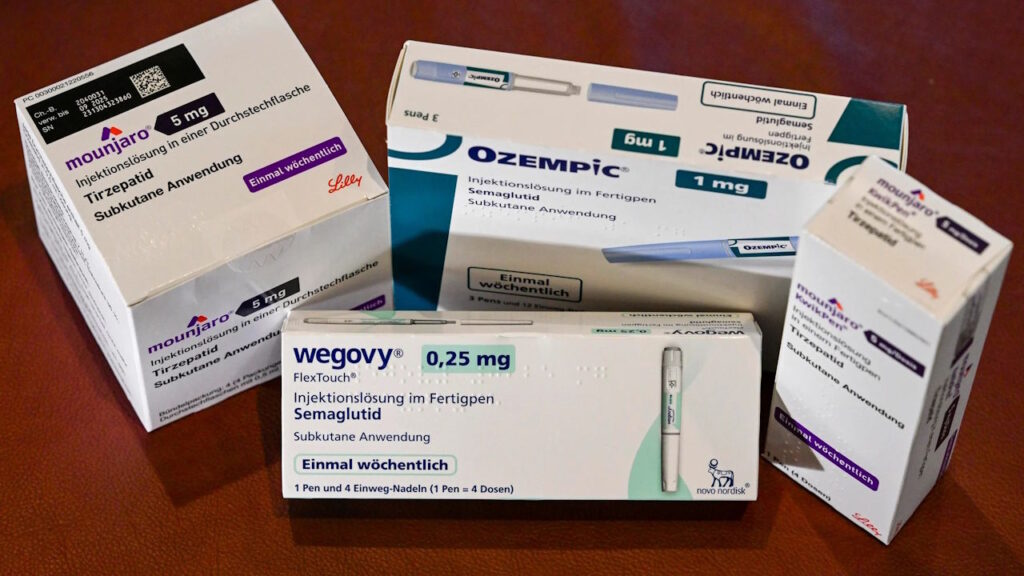
This sample examines whether current clinical and epidemiological evidence supports claims that GLP-1 receptor agonists (e.g., Ozempic, Wegovy, Mounjaro) cause permanent gastroparesis at therapeutic doses.
The analysis:
- Distinguishes regulatory labeling from causal proof
- Separates adverse event reporting from controlled clinical data
- Identifies methodological limits in observational studies
- Maps where expert disagreement is likely to arise
- Clarifies evidentiary vulnerability under Daubert standards
This example reflects the structure of a focused issue brief (20–40 pages).
Example Questions This Format Can Address
This structure can be applied to any technically complex litigation question, including:
- Does current epidemiology support specific causation for PFAS and kidney cancer?
- Is there reliable evidence linking paraquat exposure to Parkinson’s disease?
- Do clinical trials support claims that GLP-1 agonists cause permanent gastrointestinal injury?
- Are bite mark comparison methods scientifically reliable under modern forensic standards?
- What does the literature establish about mesh device failure mechanisms?
- Does current evidence support claims of AI hallucination risk in professional settings?
Each engagement is scoped to a single defined question.

Issue Brief (With All Add-Ons)
Assessing Scientific Causation Claims in PFAS Exposure Litigation
This sample illustrates a broader litigation research document examining how scientific causation claims are constructed in PFAS exposure disputes.
It distinguishes widely documented findings from areas of ongoing dispute, evaluates epidemiological evidence alongside mechanistic theory, and identifies where expert disagreement most commonly arises.
The document demonstrates:
- Structured domain orientation
- Clear treatment of uncertainty
- Analysis of methodological weaknesses
- Mapping of expert positioning and regulatory dynamics
This example reflects the structure of a comprehensive litigation research document.
Note: This document reflects an expanded litigation architecture format used for larger-scope engagements. It is not the $850 focused issue brief.
Pricing and scope for comprehensive architecture documents are confirmed on request. (40–90+ pages, multi-layer evidentiary mapping)
This comprehensive format is used where a matter requires broader evidentiary mapping, including pharmaceutical causation claims, toxic exposure litigation, medical device failures, forensic reliability challenges, regulatory contradiction analysis, or emerging technology disputes.
Ready to clarify a technical question in your matter?
Or email ray@raydavey.com directly. You will receive a response within 24 hours.